
Fungal Mycelium: What It Is & How It Can Be Useful to Humans
9 minute read
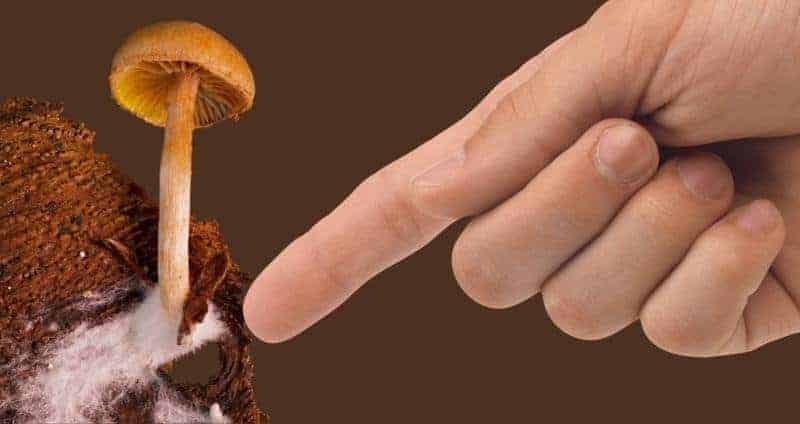
Contrary to popular belief, these fungal organisms that we call mushrooms are made up of three different parts. The one we all know and eat is called the mushroom (fruiting body), and it comes in all shapes and sizes. Under the mushroom (fruiting body or cap), you'll find spores (the seed) of the mushroom, which facilitate reproduction.
Then, there's the mycelium—the root system or vegetative body of a mushroom. It’s a dense mass of thread-like filaments typical of filamentous fungal species. These web-like structures spread into the substrate the fungus is growing on, such as wood, soil, compost, coffee, sugar cane, or grains like rice and oats.
The purpose of the mycelium is to find and break down food sources in the substrate and collect nutrients and water for the final creation of the mushroom.
When the fungal mycelia has gathered enough energy and the environmental conditions are optimal, it will form fruiting bodies, commonly known as mushrooms. However, even under the right conditions, some species of mycelia don't produce mushrooms.
This article will outline other useful properties of these filamentous fungi that enable humans to use them for a number of environmentally friendly purposes.
In this article:
- What Is Mycelium?
- The Function of Mycelium in the Mushroom Life Cycle
- The Ecological Benefits & Uses of Mycelium
- Mycelium vs. Mushroom (Fruiting Body) for Production of Supplements
What Is Mycelium?
Mycelium is a part of the fungal organism that is very similar to the root system of any plant.
It’s a rich network of thin filaments called hyphae, each surrounded by a robust fungal cell wall that collects food, water, and nutrients to nourish the fungus. It also provides the mushroom with support and anchorage.
The mycelial network remains unseen, as most of it is intertwined with the substrate it's growing on to form an inseparable mass.
 These filamentous fungi overtake dead organic matter like wood and extract nutrients from it. If conditions are right, they will produce a mushroom. However, some species of mycelia don't produce mushrooms at all.
Many supplement manufacturers grow mycelium on a grain substrate to produce "mushroom supplements." Using myceliated grain to produce "mushroom supplements" is misleading as the resulting supplements have no mushrooms.
Supplements made from mycelium may contain varying levels of active compounds like beta-glucans depending on the substrate used. Consumers should review supplement labels to determine whether the product contains the fruiting body, mycelium, or a combination of both. Beta-glucans are the primary active compound found in mushrooms and mycelium.
The mushroom (fruiting body) is ideal for manufacturing mushroom supplements because of the following:
- It contains vital nutrients, including proteins, fiber, vitamins, and minerals.
- It contains consistently high levels of beta-glucans—immunity boosters.
- The mushroom has no starch content as the growing substrate is not harvested with it.
Quick Fact: Mushrooms are one of the few non-animal sources of selenium, an essential mineral that plays a crucial role in maintaining thyroid function and boosting the immune system.
The Function of Mycelium in the Fungal Life Cycle
 Certain fungal strains, like white rot fungi, can decompose otherwise non-degradable materials such as hydrocarbons, plastics, unrefined oil, or even nuclear waste. This power can be leveraged for environmental cleanup efforts—a process called mycoremediation.
Mushrooms, like any other fungi, are essential to the ecosystem as they help recycle nutrients and avail them to other organisms in the environment.
The mycelium helps close the energy cycle of the ecosystem by decomposing organic matter and recycling it into beneficial compounds for the soil food web.
Enzymes secreted by these fungal threads facilitate this cycle. The enzymes break down the substrate and the surrounding dead organic matter.
The hyphae facilitate the movement of the nutrients to the mushroom and recycle the dead plant matter into beneficial organic compounds that are again absorbed by the soil.
The fungal undergrowth, particularly from mycorrhizal fungi, also intertwines with other plant and tree roots to form a symbiotic ecosystem.
The mycelial network extends farther to connect vast root systems of trees and plants than a plant’s roots could. It delivers nutrients such as phosphorus, which plants, especially in a scarce nutrient environment, can’t reach on their own.
It also facilitates the exchange of sugars and carbohydrates from the plants to the fungus.
Simply put, mycelium allows the exchange of nutrients all over the forest, which helps improve the health of the entire ecosystem.
The Ecological Benefits & Uses of Mycelium
Below are some of the ways that humans can use mycelium as a tool for sustainable material production and reducing pollution.
- Mycoremediation: Decomposing Pollution with Mycelium
- Using Mycelium as a Plant-based Meat Alternative
- Using Mycelium as an Alternative Building Material and Fabric
Mycoremediation: Decomposing Pollution with Mycelium
Certain fungal strains, like white rot fungi, can decompose otherwise non-degradable materials such as hydrocarbons, plastics, unrefined oil, or even nuclear waste. This power can be leveraged for environmental cleanup efforts—a process called mycoremediation.Mycoremediation is the use of fungi to remove waste from the environment. It involves maximizing the production of fungi to reduce waste generation and can be used to encourage the treatment and conversion of waste into a useful form.
The process of mycoremediation relies on enzymes produced by mycelium to degrade substrate (in this case, waste and pollutants) and generate products fit for consumption.
How? Unlike other living organisms, mycelium breaks down food sources before ingesting the nutrients. This process allows the fungi to eliminate any non-biodegradables like hydrocarbons, plastics, unrefined oil, or even nuclear waste.
As such, mycoremediation can help decontaminate our environment in the following ways:
- Breaks down and degrades contaminants, like E.Coli and toxic wildfire ash, from water sources.
- Certain fungal species have been studied for their role in breaking down environmental contaminants through a process known as mycoremediation. Research suggests that some mycelium strains may interact with heavy metals, but further studies are needed to determine their efficacy in large-scale applications.
- Assists with faster reforestation efforts by reducing the competition of invasive plant species.
Fungal threads are highly absorbent, and they have the potential to break down and absorb even the most toxic human-created waste, including typical soil contaminants such as heavy metals, pesticides, and petroleum products.
It ingests nutrients from the substrate, decomposes, and redistributes them as bioactive compounds to other plants in the ecosystem.
Read more about the vast potential of mycoremediation in our article: Mycoremediation: 8 Ways Mushrooms Can Mitigate Pollution.
Using Mycelium as a Plant-based Meat Alternative
Vegan and vegetarian eating is an effective way of reducing the environmental carbon footprint by decreasing greenhouse gas emissions.
Mycelium is a delicious substitute for meat that can be found in ground form or grown and shaped into different meat-like textures.
Mycelium-based meat takes on the fibrous and tender consistency of animal-based meat but has a slightly different taste and significantly more benefits.
Mycelium-based meat is nutritious. It is a complete protein because it contains all the essential amino acids. It also includes a sufficient supply of fiber, B vitamins, iron, zinc, and low cholesterol.
Furthermore, growing fungi-based meat requires up to 99% less energy, land, and water compared to what’s used to rear cattle.
Nutrition Note: Mycelium is rich in B vitamins, particularly vitamin B12, which is often a concern in vegan diets. Incorporating mycelium-based products can help bridge this nutritional gap for vegetarians and vegans.
How Mycelium-Based Meat Is Produced
Mycelium is at the forefront of a “third wave” of vegan meat alternatives. It can be used to produce a delicious, realistic steak product in 18 hours, versus 7 years for a beef steak.
Using Mycelium as an Alternative Building Material and Fabric
Since these fungal threads feed on waste, they can be used to detoxify waste and transform it into usable, eco-friendly, and sustainable materials. But its potential for positive environmental impact doesn’t end there.
Mycelium can be used to manufacture a variety of durable, biodegradable materials, such as the following:
- Leather: Mycelium leather can be tanned and dyed to mimic the look, feel, and texture of leather and other synthetic fabrics. Adidas is currently at the forefront of this revolution, having recently released its first Mylo leather shoe—the Stan Smith Mylo.
- Packaging: Mycelium foam makes a great alternative to conventional polystyrene or polyurethane packaging foam. It's lightweight, breathable, flame-resistant, and inexpensive. IKEA is one of the retailers leveraging this environmentally-friendly packaging solution.
- Building materials: Mycelium can replace conventional building materials with lightweight, inexpensive, and durable alternatives like building blocks, styrofoam, wall tiles, and particle boards. These mycelium-based materials are biodegradable, strong, fire-resistant, and provide excellent insulation.
Mycelium Materials Photo Gallery
The following images show some of the consumer objects that are being manufactured from mycelium.
 Mycelium “leather” is already being used by clothing brands such as Adidas, Stella McCartney, and Hermès as a sustainable, beautiful, biodegradable, and ethical leather alternative.
 Mycelium can be used to form bricks and other building materials. The resulting material is non-toxic, sustainable, super strong, water, mold, and fire resistant, and is more heat-insulating than fiberglass insulation. Photo credit: @mangtronix (cc flickr)
 Mycelium can be grown into specific forms, thus reducing processing steps. It can be used as an environmentally friendly packaging material, such as in this wine bottle shipping container. Photo Credit: Mycobond (cc)
 A coffin made from mycelium can reduce the resource burden of fabrication and the pollution caused by object disposal. This coffin decomposes in 45 days and becomes one with nature again. Photo credit: Loop
Using mycelium as an alternative material is great for the environment in the following ways:
- It consumes less energy.
- It produces fewer emissions.
- It does not require the many chemicals used in producing plastic-based materials.
- It is easy, quick, and sustainable to produce.
- It is a durable material that can outlast other commercial options.
Mycelium on Grain vs. Mushroom (Fruiting Body) For Production of Supplements
While regulated by the U.S. Food and Drug Administration (FDA), the dietary supplement industry still allows for confusing marketing and labeling, which has created uncertainty about the best part of a mushroom to use for supplements.
Is it the mushroom or the mycelium?
The mushroom (fruiting body) is the best part to use for supplements because it contains a vast abundance of active compounds that support a variety of the body’s functions.
In more technical terms, the mushroom can contain up to 10 times as much beta-glucans—polysaccharides that support your health and your immune response—as the mycelium when it is grown on a grain substrate.
However, because mycelium is inexpensive to grow, manufacturers often use this instead by growing it on grains like rice and oats. The resulting mycelium is inseparable from grain, and therefore, both end up in the final supplement product.
The FDA advises that products containing mycelium should be clearly labeled as such and not be misleadingly marketed as mushroom supplements when they do not contain the fruiting body.
Consumer Alert: Be vigilant when purchasing mushroom supplements. Always check the label for "fruiting body" as an ingredient to ensure you are getting the most potent source of beneficial compounds.
 Mycelliated grain is commonplace in supplements produced in North America because it’s inexpensive to produce. It’s inaccurate to call these “mushroom” supplements because the product does not contain mushrooms or the concentrations of beneficial compounds unique to them.
Mushrooms vs Mycelium in Supplements
The table below presents the differences between supplements made from mushrooms (fruiting body) and the myceliated grain.

At Real Mushrooms, we understand the significance of these differences. Therefore, we strive to create high-quality supplements with only the mushroom (fruiting body) and no mycelium or residual substrate.
This helps us deliver high-potency mushroom supplements that contain all the health benefits of real health-promoting mushrooms.
Our customers love our supplements and believe we provide them with value for their money. Here’s what they’ve got to say:
“The quality of these supplements seems to be far superior to most others on the market.” - Allie
“Impressed by the quality and transparency of this company, even explaining why the products are sourced from China and the process of how the mushrooms are harvested.” - Stacey D Avraham
“I really appreciate the fact that Real Mushrooms is so detail oriented on their web site and products enough to focus on concentrating the beta-glucans, and verifying for active compounds.” - George
Learn more about mycelium in our other articles
- Mycoremediation: 8 Ways Mushrooms Can Mitigate Pollution
- Mushroom Anatomy: A Deep Dive Into the Parts of a Mushroom
- Medicinal Mushroom Benefits: Mycelium vs Fruiting Body


